The community we call Monan’s Rill is located on the traditional territory and homelands of the Wappo people, who cared for and thrived on this land from time immemorial. Dwelling here now, we at Monan’s Rill acknowledge and grieve the immense losses experienced by Wappo people since the arrival of European settlers. We also acknowledge and celebrate Wappo resilience, and their ongoing sacred relationships with the land, waters, animals, plants, and other non-human residents of the Mayacamas Mountains. We aspire to build meaningful and reciprocal relationships with the Wappo community, and to respectfully integrate indigenous wisdom into our stewardship of this land.
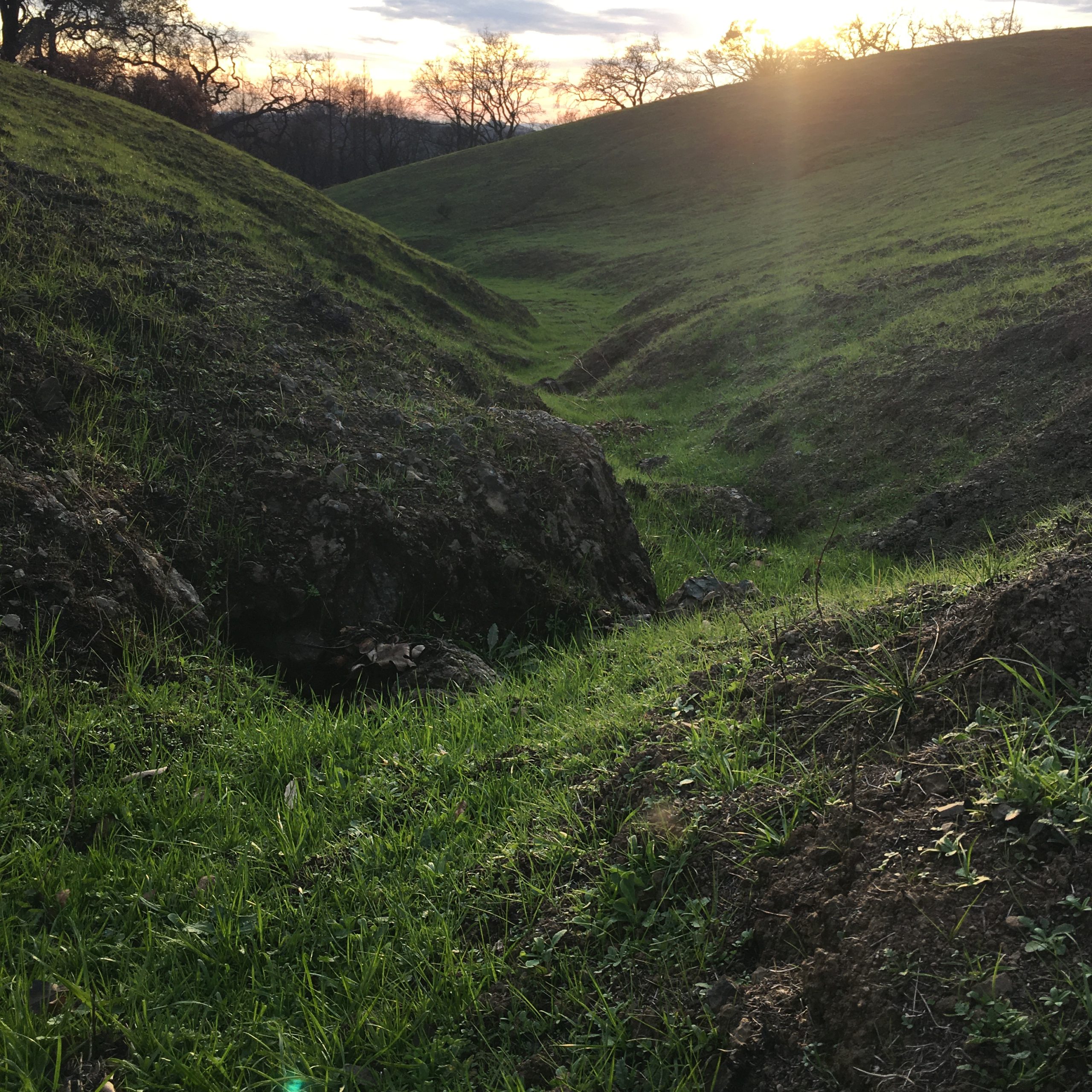
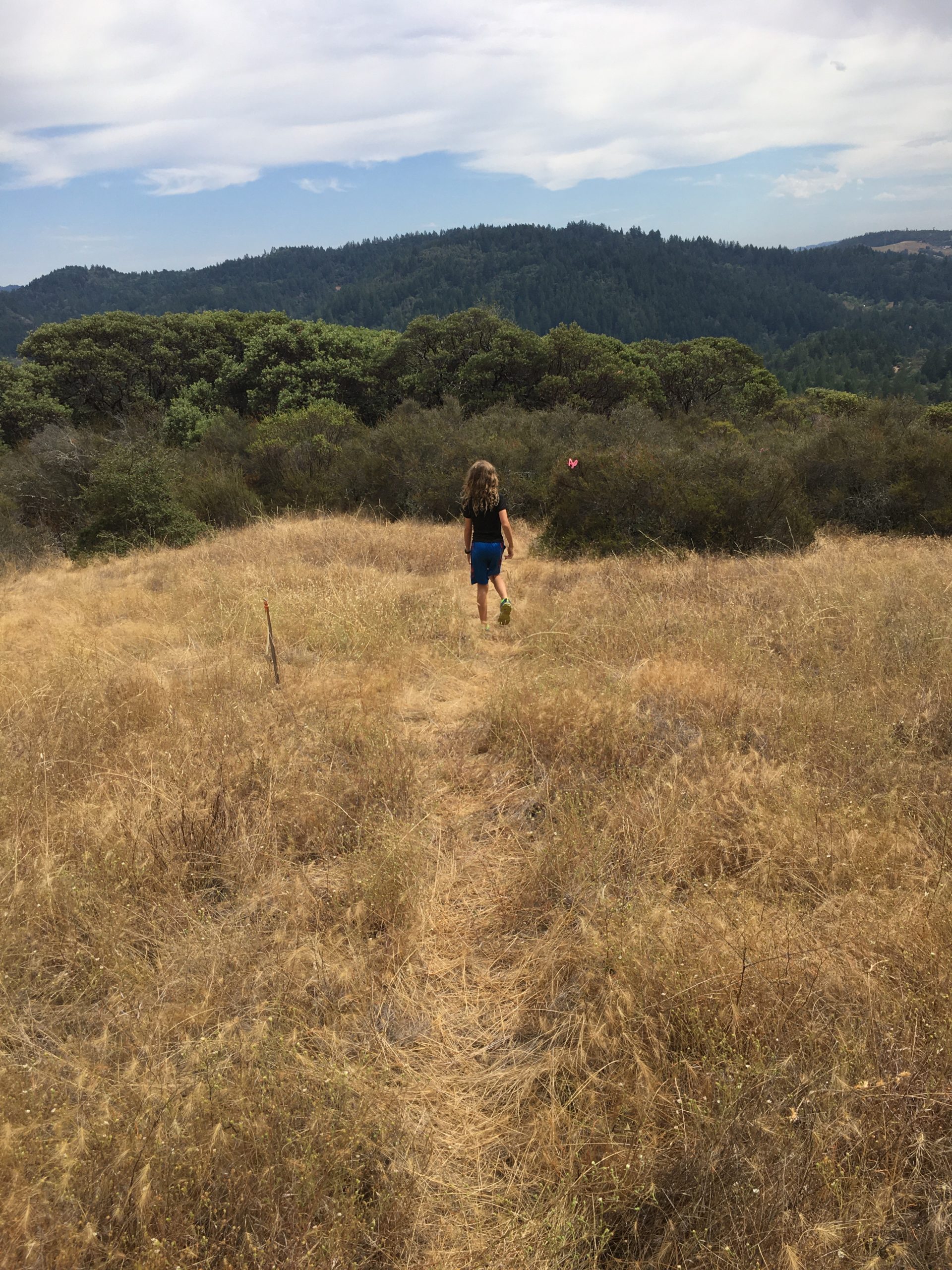
Monan’s Rill stewards 414 acres of land in the Mayacamas Mountains of Sonoma County, California. The vegetation communities include oak woodland, oak savanna, mixed conifer and hardwood forest, chaparral, riparian, grassland, creeks, and ponds. Monan’s Rill is located approximately 25 minutes from downtown Santa Rosa, California.
A Brief History of the Land
The community that we call Monan’s Rill is located on the traditional territory and homeland of the Wappo people. They thrived here and cared for this land in ways that we are just beginning to learn about, thanks to unfolding relationships with Wappo community members today.
All of us at Monan’s Rill would like to express our gratitude to Clint McKay and TekTekh Gabaldon, culture bearers for the Wappo people and members of Pepperwood Preserve’s Native Advisory Council, for speaking with us and helping us to learn. Clint especially was fundamental to our process of developing a land acknowledgment.
In the 19th century, this land was taken and settled by gold searchers, loggers, and farmers of European ancestry, before it became “the Rill.” A speculative developer had laid out parcels of our beloved watershed in small, stark rectangles, and named them all after places in Scotland. He named landscape features this way, too.
When the land was purchased by the community’s founders in the 1970s, the creek that runs through it was referred to as Monan’s Rill. “Rill” is a Scottish word for a small stream. The name “Monan’s Rill” was likely inspired by a line in a poem written by Sir Walter Scott, The Lady of the Lake:
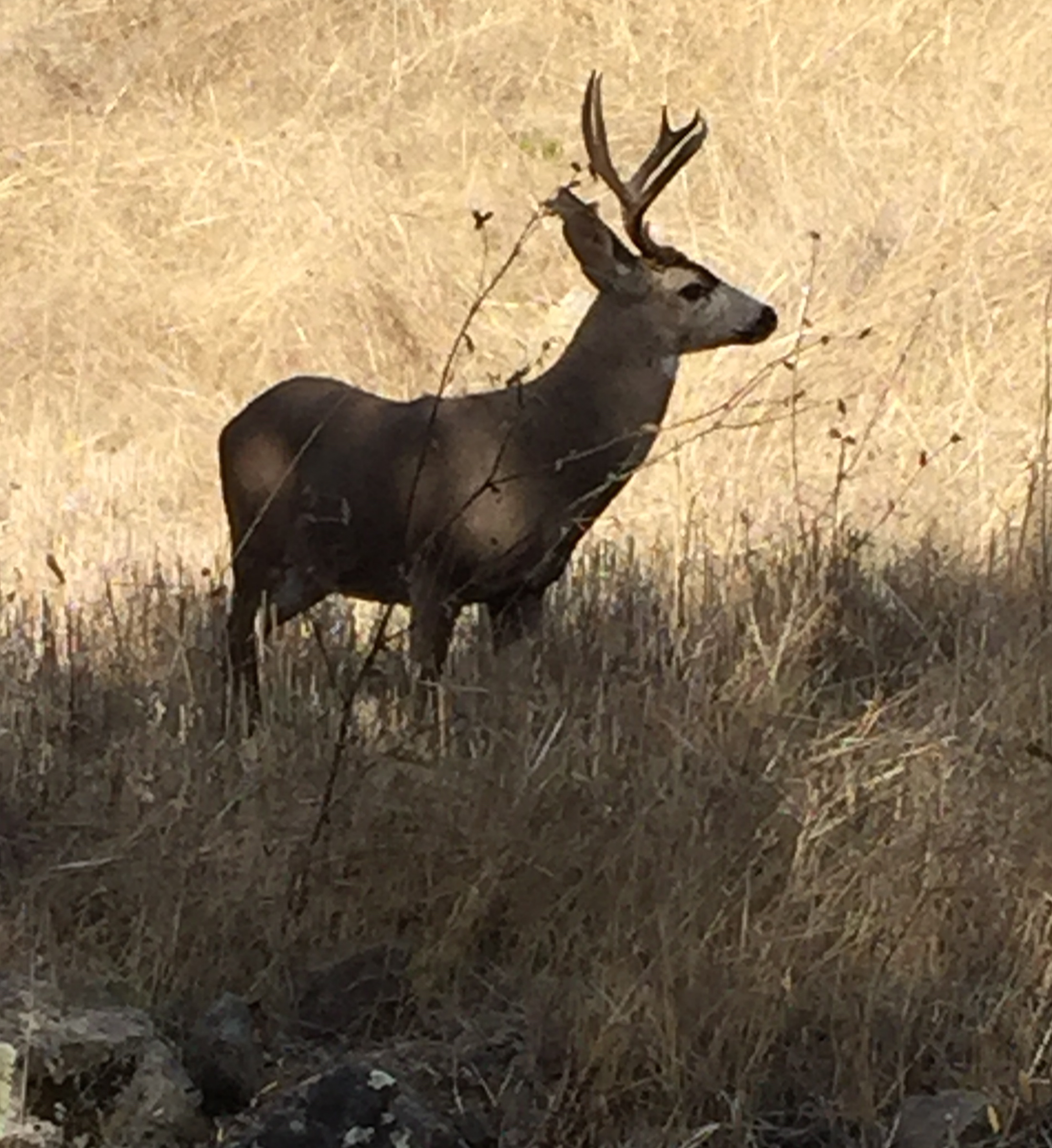
The stag at eve had drunk his fill, where danced the moon on Monan’s Rill.
The founders of Monan’s Rill chose to name the community after this creek.
The Land as Monan’s Rill Community
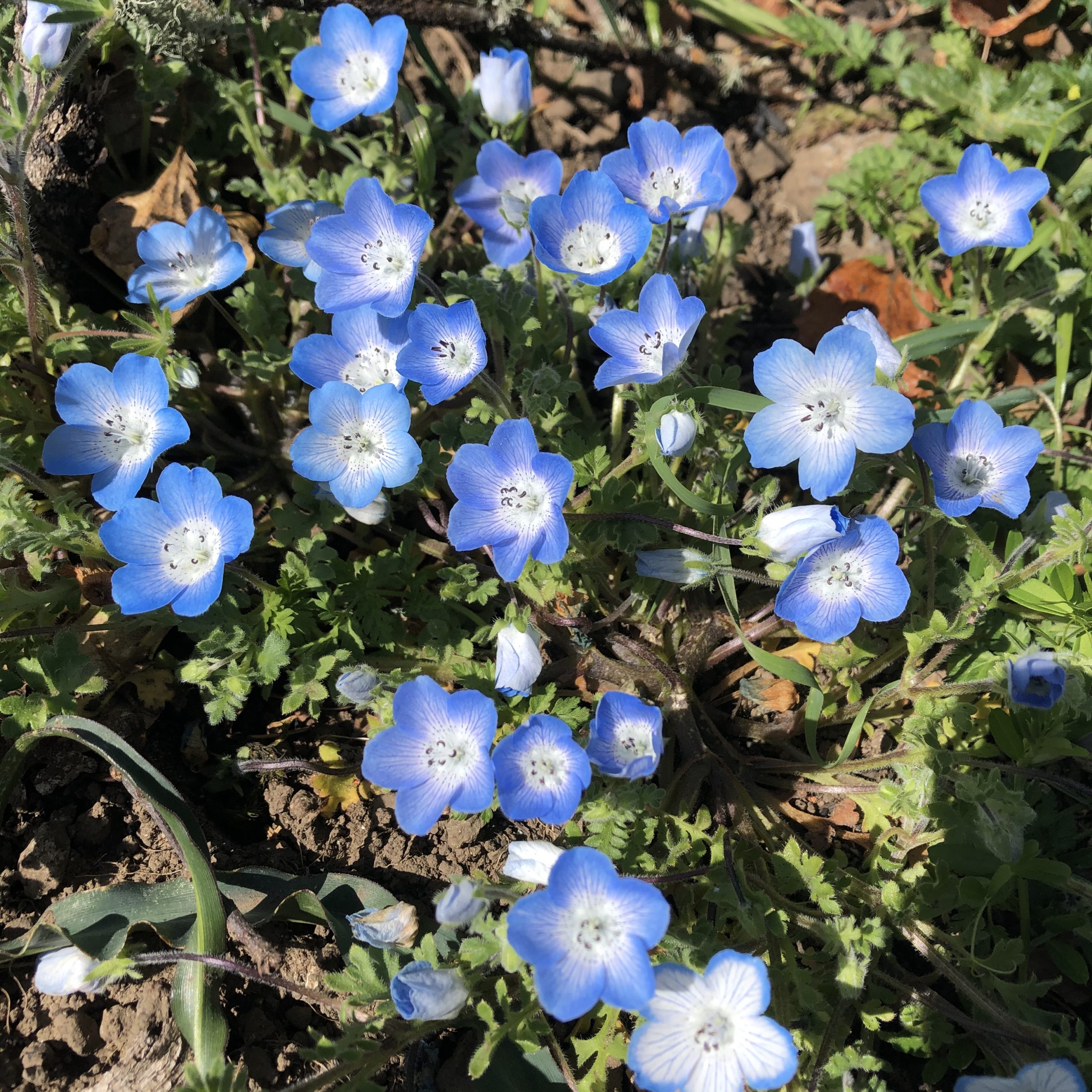
Monan’s Rill, the creek, runs through the heart of the community. We share the land with water, coyotes, foxes, deer, birds, mountain lions, snakes, jackrabbits, wildflowers, and the vast night sky.
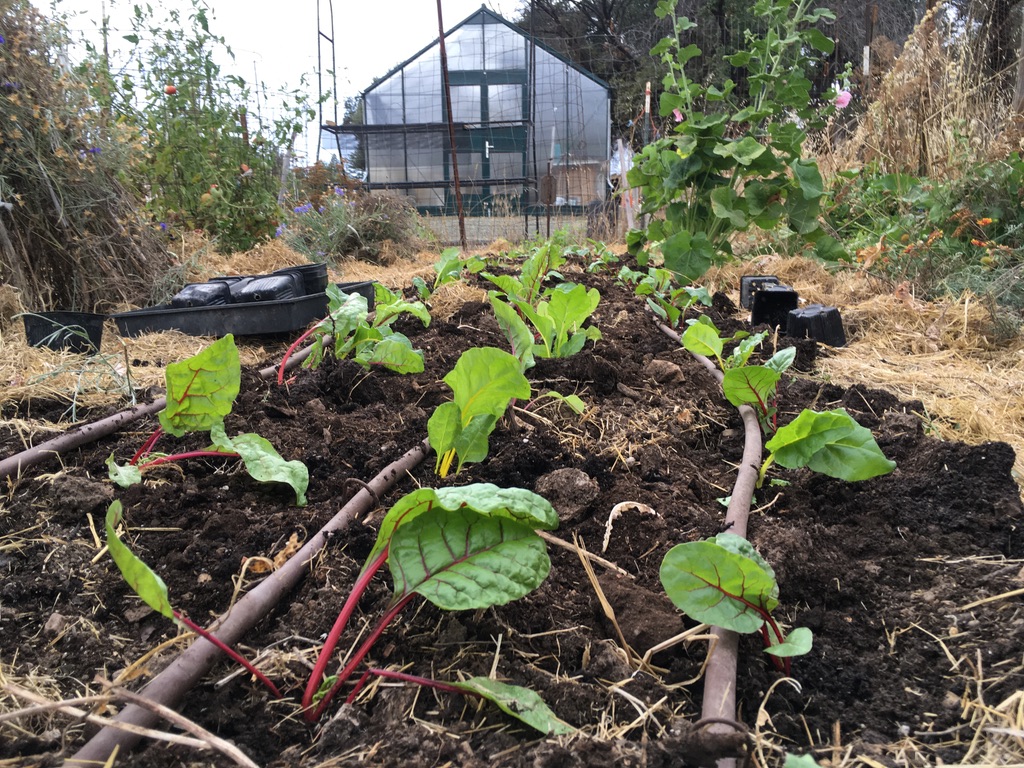
A large organic garden and orchard helps to supplement our varied diets.
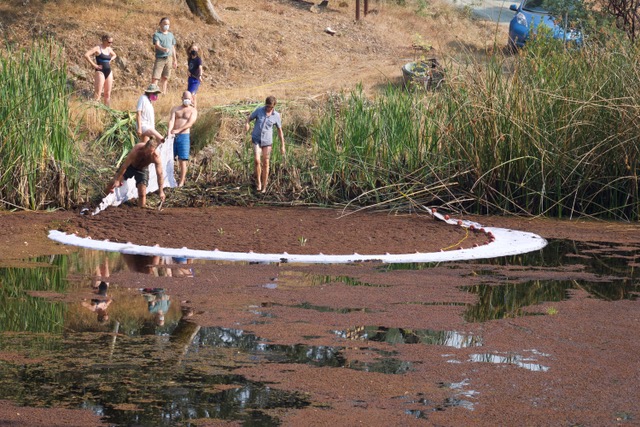
Two ponds are used for swimming, fishing, azolla harvest, and fire protection.
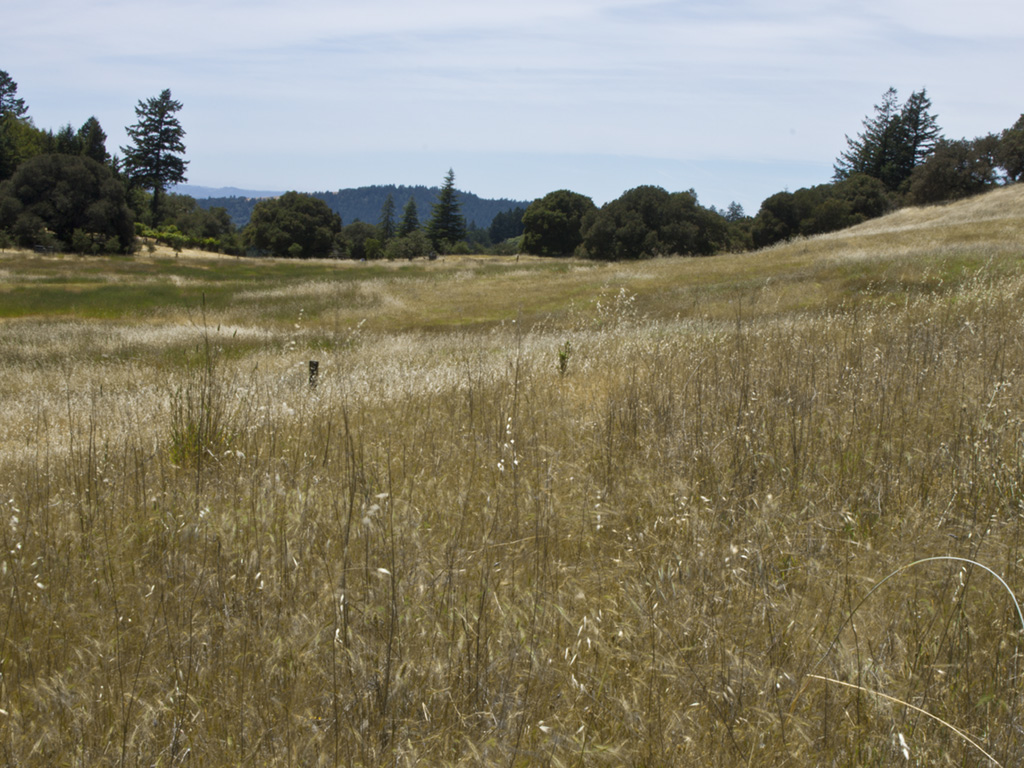
The native oaks, madrones and firs provide shade from the summer sun. Historically, we have had a variety of livestock, and there is a large pasture for this purpose. Hiking trails weave their way across the hillsides.
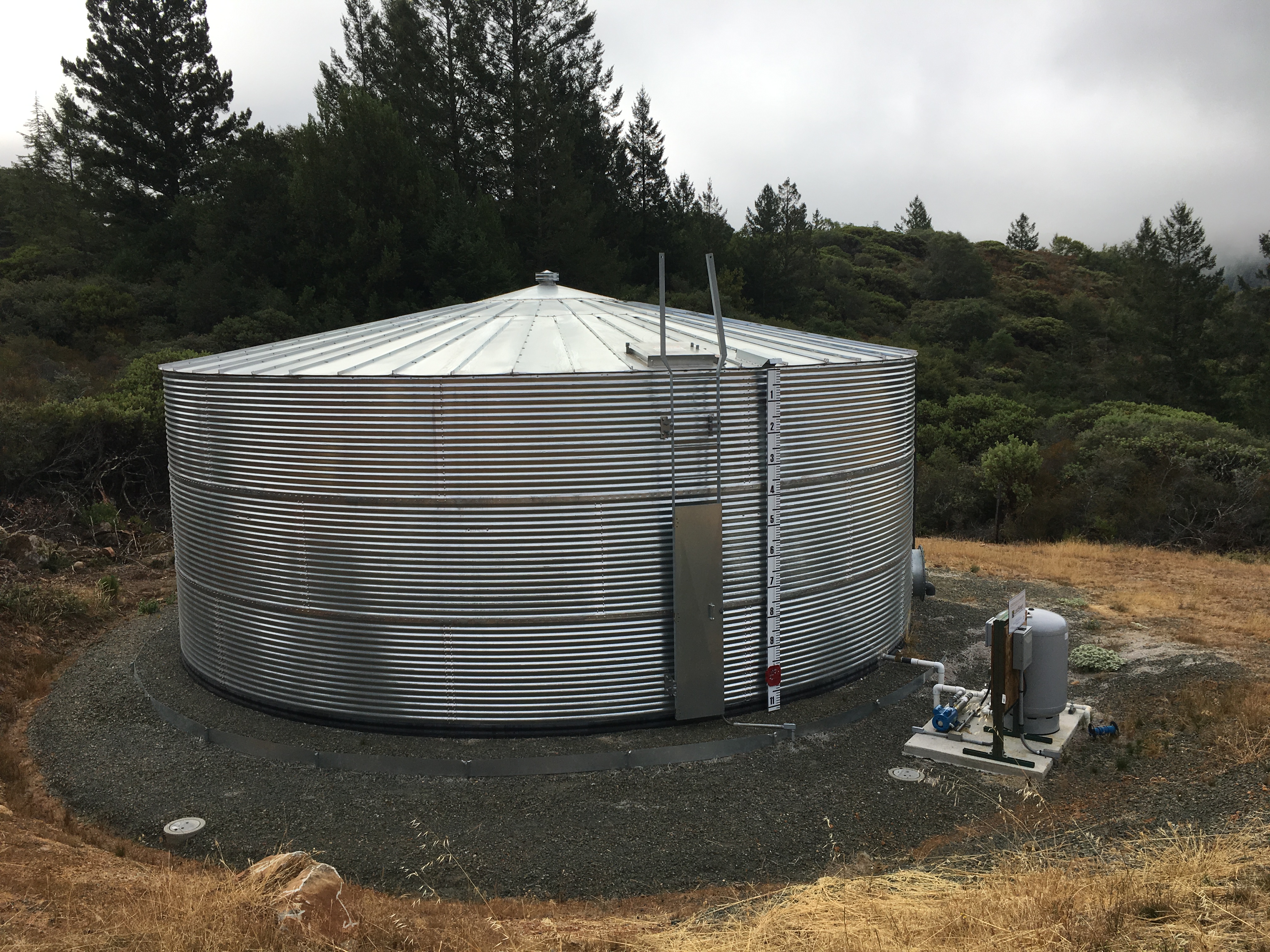
Our water comes from a spring and a well. We also have a 60,000-gallon rainwater catchment tank for summer garden irrigation. In 2019 we completed installation of a community solar array which is tied to the grid.
The Rill Post-Wildfire
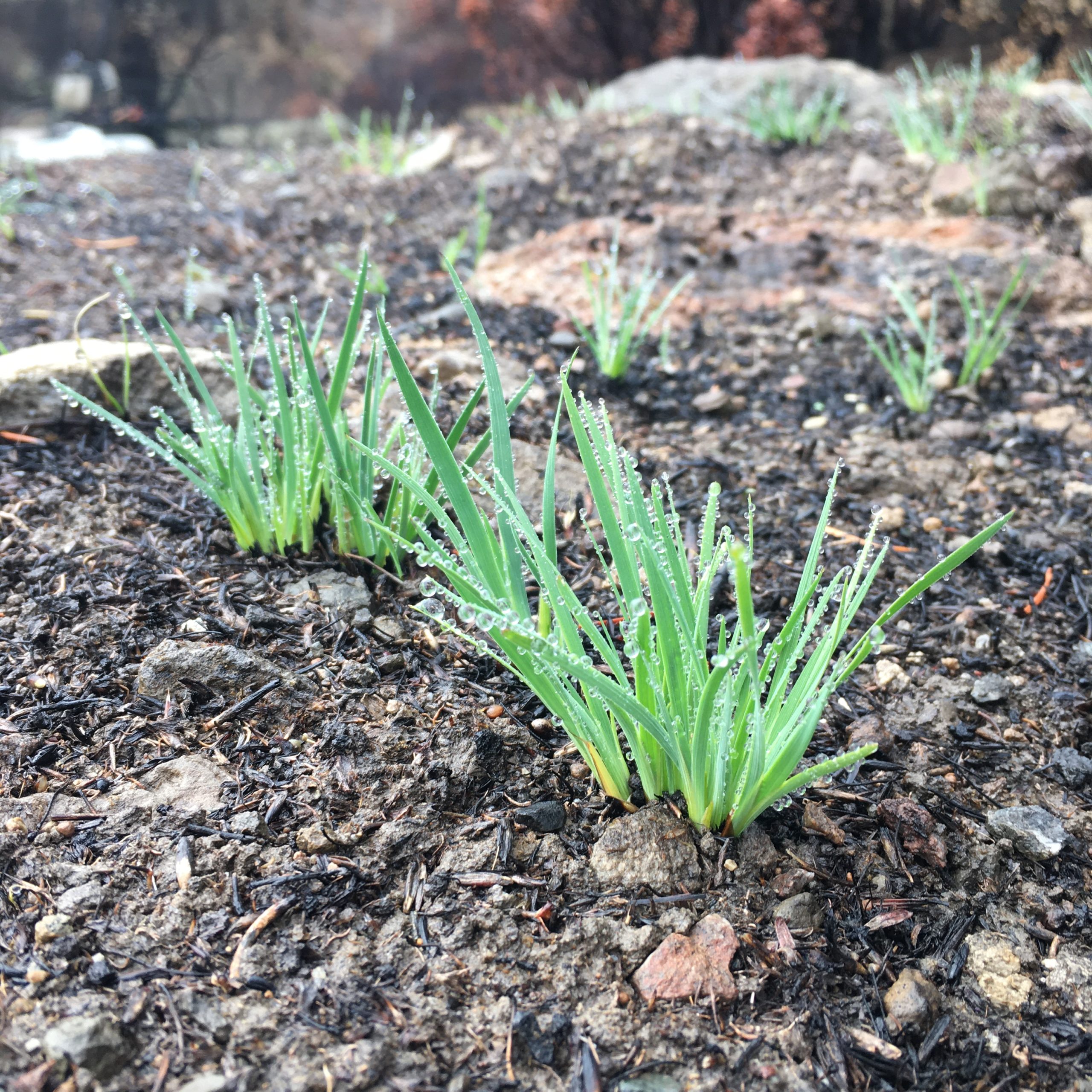
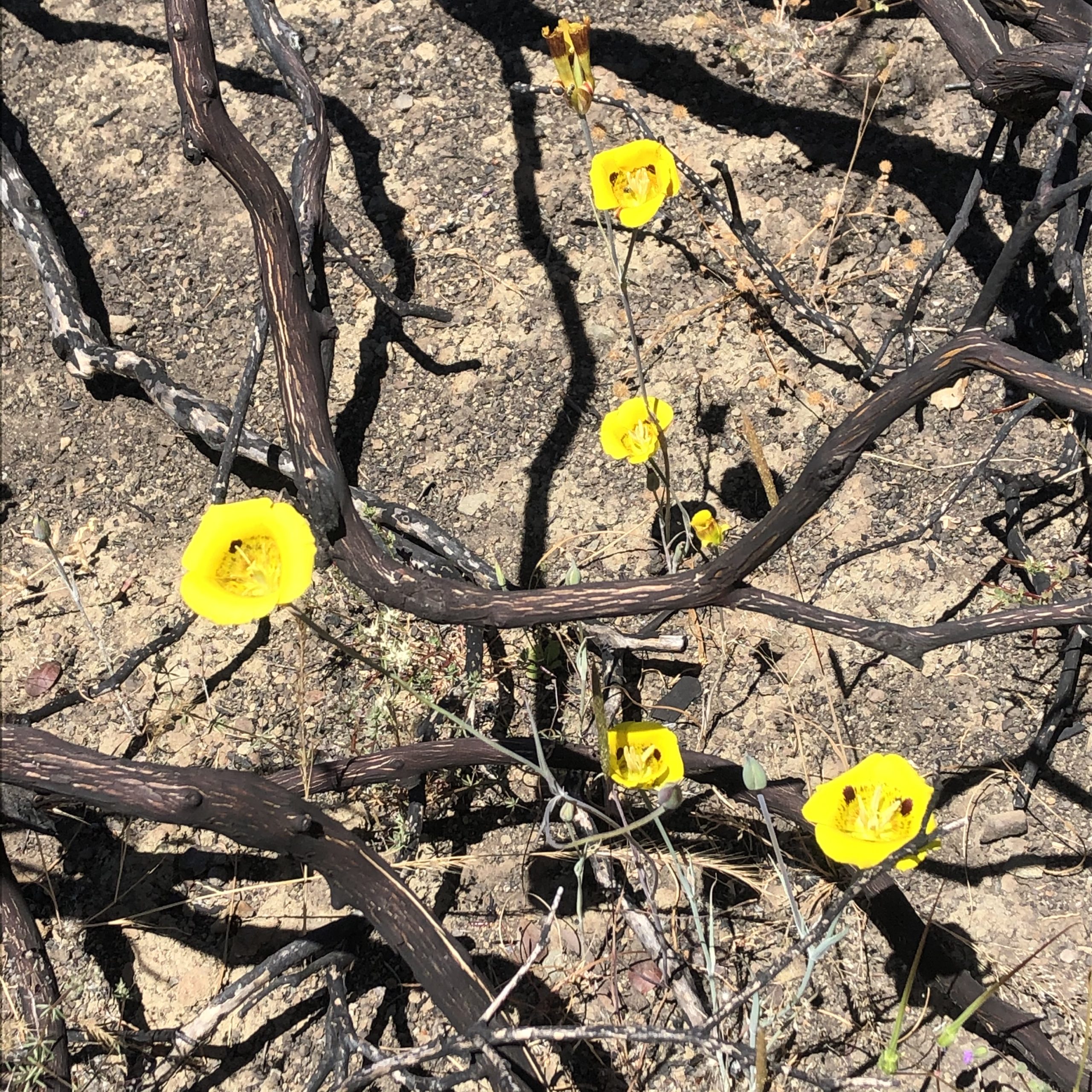
For nearly 50 years, the Rill was untouched by wildfire, but in September 2020, 98% of the 414 acres we steward burned in the Glass Fire. The fire destroyed all but one of our homes, and also killed many of our beloved native trees. It has been a journey of grief, laughter, fatigue and discovery as those of us who remain at the Rill navigate this new landscape. And throughout it all, we and the land have kept each other company.
Since 2018, intentional beneficial fire has been an essential part of our land stewardship, as described in this 2022 Made Local cover story. The only area of the land which did not burn in the 2020 wildfire was a 6 acre section of forest that had been treated with prescribed fire in June 2019 (pictured on right, below).
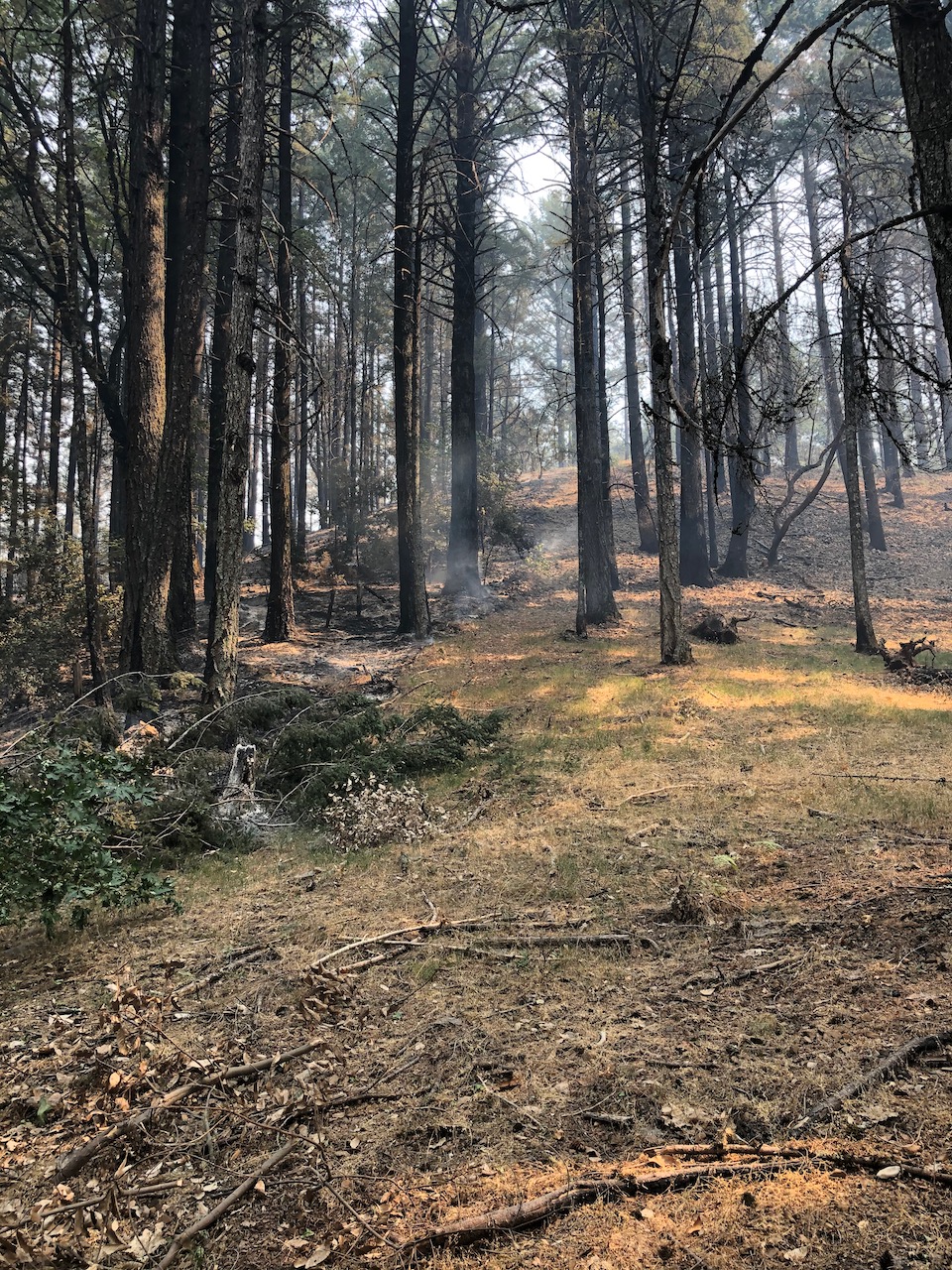
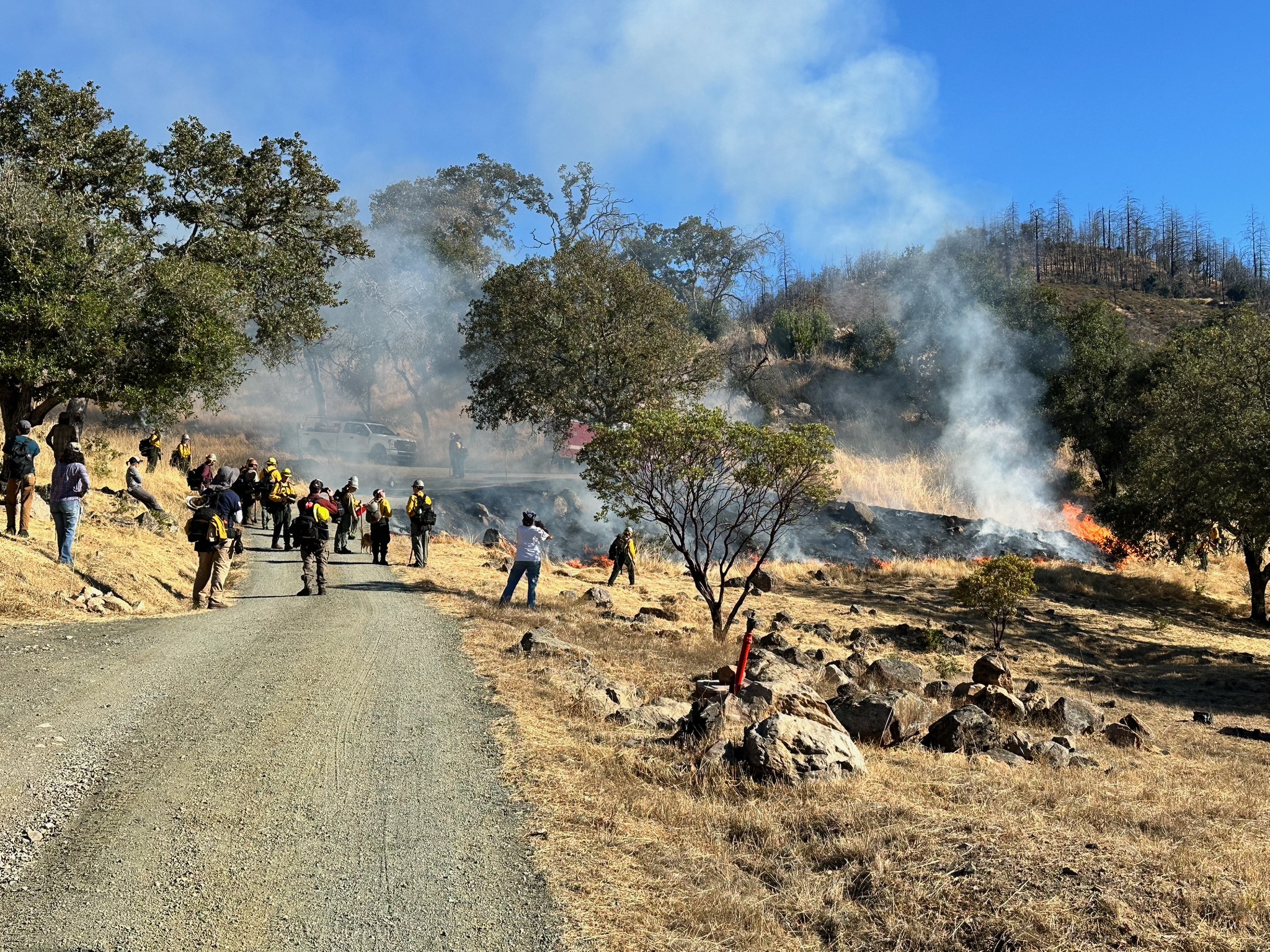
We have invested significantly in training, equipment, and relationships to enable us to safely and regularly return good fire to the land. We welcome volunteers to observe or participate in our prescribed burns.
The best way to learn more about the land is to visit, and experience its beauty and power for yourself. We also suggest that you follow our Instagram page. And sign up for our newsletter to stay on top of what’s happening here.